Gel, spray or balm: which recovery rub should you use?
A plain comparison of gels, sprays, creams and balms for muscle aches: absorption, mess, precision, smell and how each fits in a kit bag.
For most people, a gel is the best all-rounder: it absorbs in under a minute, leaves little residue and lets you rub it exactly where it hurts. A spray suits hard-to-reach spots and quick mid-match use. A balm or ointment stays put for a long rub but is greasier and smells stronger. A cream sits in between.
The short version
- Gel: fast to absorb, light on clothes, easy to dose. The everyday pick.
- Spray: no hands needed and good for your back or shoulders, but some of the mist misses your skin.
- Balm or ointment: thick and slow, great for a long massage, but greasy and strong-smelling.
- Cream: richer than a gel and less messy than a balm. Takes a little longer to sink in.
- The format changes the feel and the convenience. The active ingredients on the label decide what the product actually does.
Is a pain relief spray or gel better?
Neither is better across the board; a gel wins on precision and value, a spray wins on reach and speed of application. With a gel you squeeze out a measured amount, rub it in and feel exactly where it lands. With a spray you press and go for the middle of your back or a cricket shoulder between overs.
The trade-off is waste. A spray throws a mist, and part of it drifts into the air or onto your shirt instead of your skin. You also cannot massage while you spray, and for many people the rub is half the relief. Gels and sprays both come with similar actives. The big review of topical anti-inflammatory products on PubMed pooled trials of gels, sprays and creams together, which tells you the ingredient matters more than the packaging.
Is balm or gel better for muscle pain?
A balm is better if you want a long, slow massage; a gel is better if you want to get on with your day. Balms and ointments are oil or wax based, so they stay on the surface and give your hands time to work into a tight calf or a stiff neck. That same quality makes them greasy, and they tend to leave a mark on cotton kurtas and bedsheets.
Gels are mostly water and alcohol based. They spread thin, dry quickly and rarely leave a film, so you can put your shirt back on within a minute. If you train before work or play a late badminton session and go straight to bed, that matters.
How do the four formats compare?
| Format | Absorbs | Mess and stains | Precision | Lands on skin | Kit bag and travel | Smell |
|---|---|---|---|---|---|---|
| Gel | Fast, under a minute | Low, usually non-greasy | High, you see and feel the dose | Almost all of it | Easy; tubes are cabin-friendly in small sizes | Light to medium |
| Spray | Fast, dries on contact | Low on skin, some overspray on clothes | Low to medium | Part of it; some drifts into the air | Bulky cans; aerosols have airline limits | Fills the room briefly |
| Cream | Medium, a few minutes | Medium, slight film | High | Almost all of it | Easy | Medium |
| Balm or ointment | Slow, sits on the surface | High, greasy and can mark fabric | High, but hard to spread thin | All of it, though much stays on top | Small tins travel well; can melt in heat | Usually the strongest |
Which Indian brands come in which format?
Most familiar names come in more than one format, so check the pack rather than assuming. Volini is sold as a gel and as a spray; the gel lists diclofenac diethylamine 1.16% with methyl salicylate, menthol and linseed oil. Moov is best known as a cream, an Ayurvedic one with wintergreen, mint, eucalyptus and turpentine oils and no diclofenac. Iodex started as the dark balm many of us remember from our grandparents' cupboards, and its UltraGel version lists diclofenac diethylamine 1.16% in an emulgel base.
Diclofenac gels are proper medicines with good evidence for pain and swelling after strains and sports injuries. Menthol, camphor and wintergreen products work differently: they are counterirritants that create a cooling or warming feel on the skin to take your mind off the ache. Our label guide to menthol, camphor and wintergreen explains what each one does.
Which one should you keep in your kit bag?
A small tube of gel is the most practical choice for a kit bag. It will not leak like a loose spray nozzle, will not melt in a hot car during a Mumbai summer, and you can use it on the sideline without coating your hands in grease. If you fly to a race like the Mumbai Marathon, check airline rules on aerosols before packing a spray.
Whatever you pick, use a thin layer, wash your hands afterwards and keep it away from your eyes and broken skin. Our guide on how to use a recovery gel covers timing before and after play.
Where thswtch fits
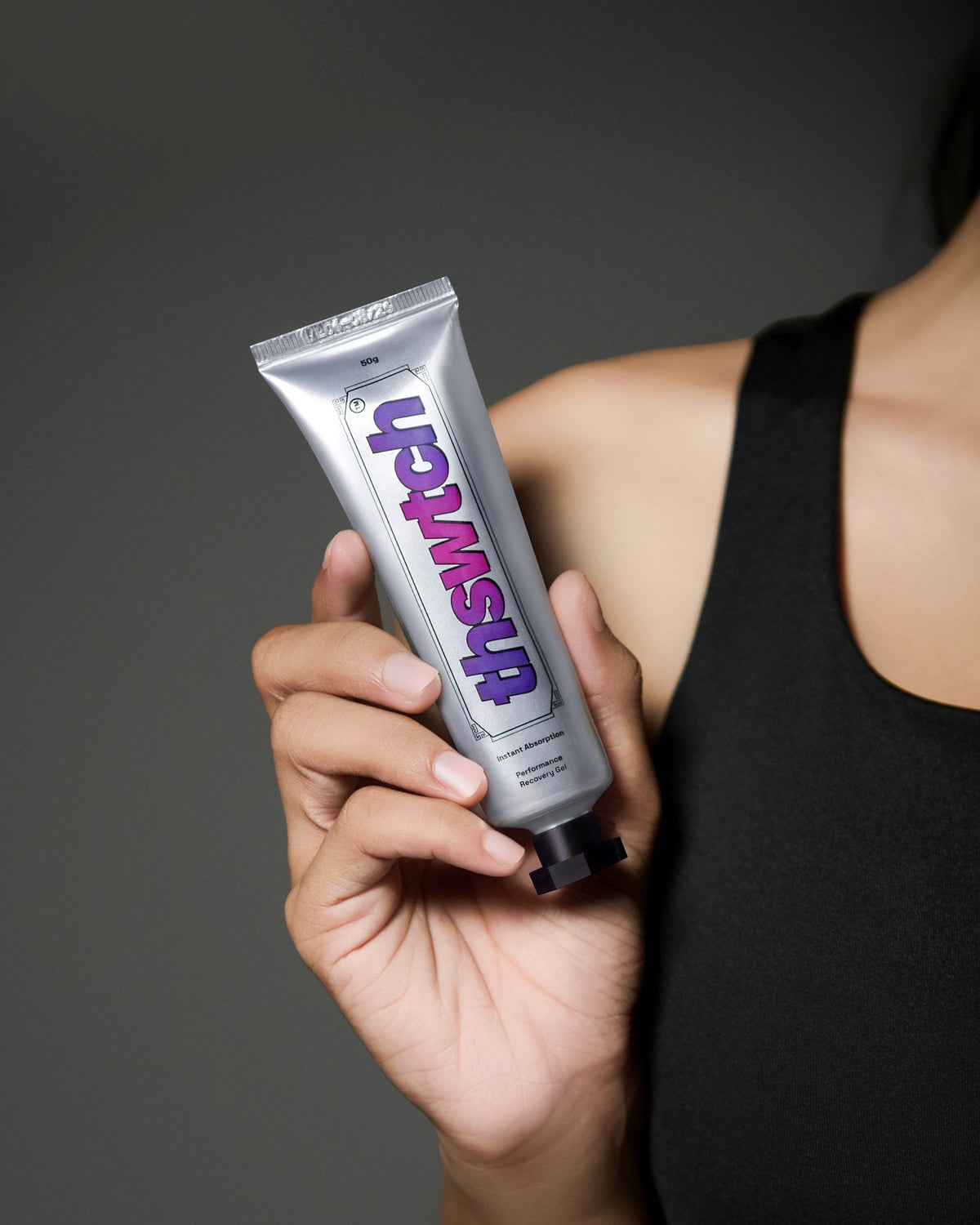
thswtch Pain Relief Gel is a gel, so it sits in the fast-absorbing, low-mess column of the table. It feels cool on contact and then gently warm, absorbs in seconds, does not stain and has a light smell, with menthol, camphor, wintergreen, arnica and boswellia in an aloe base and no diclofenac. People use a 50g tube (₹500) before they play, after they train or to wind down at night. You can see thswtch here. It is a cooling and warming gel, not a replacement for medical care.
Last updated 19 October 2026 · Written by Team thswtch
Sources
This guide is general information, not medical advice. If pain is sharp, severe, follows an injury, or lasts more than a week, see a doctor or physiotherapist.