Sore feet and calves after a wedding: a recovery plan
A simple plan for sore feet and tight calves after sangeet dancing, baraat walks and long wedding days in heels or juttis.

Sore feet and tight calves after a sangeet or a long wedding day are usually tired, overworked muscles, not an injury. Put your feet up that night, cool them if they feel hot and puffy, use gentle warmth and stretches for tight calves, drink water, and walk gently the next morning. Most of it settles within a day or two.
The short version
- Heels and stiff juttis push weight onto the ball of the foot and keep calves shortened for hours. That is why both ache.
- Before: break shoes in at home, add a cushioned insole, and carry a pair of flats.
- During: swap shoes between functions, sit between dance sets, keep drinking water.
- That night: feet up, cool for hot feet, warmth and slow stretches for tight calves.
- Next morning: a short easy walk beats staying in bed. Pain that gets worse or comes with swelling or numbness needs a doctor.
Why do my feet and calves hurt so much after a wedding?
Because a wedding asks your feet to run a marathon in party shoes. Between November and February that often means a mehendi, a sangeet with hours of dancing, a baraat and a reception spent standing, over three or four days.
Heels tip your weight onto the ball of the foot, a common source of pain there according to the NHS, and keep your calves shortened all evening. Juttis and mojaris have thin, stiff soles with little cushioning on hard marble floors. Add dancing, and both feet and calves simply get tired.
How do I prepare my feet before a wedding?
Choose shoes for the function, not just the outfit. The American Podiatric Medical Association advises against heels over about two inches where possible; a block heel or wedge is steadier than a stiletto. Save the tall pair for photos.
- Break them in. Wear new juttis or heels at home for 20 to 30 minutes a day for a week beforehand, so hard spots show up there and not on the dance floor.
- Add a cushioned insole. A thin gel insole or ball-of-foot pad fits inside most juttis and closed heels.
- Pack flats. Soft flats in your bag are the most useful thing you can bring to a sangeet.
What helps during the sangeet and baraat?
Changing shoes and sitting down often helps most. Swap into flats for the baraat walk and the late-night dancing, and switch back for photos. Between dance sets, sit for a few minutes and slip your shoes off under the table.
Drink water between the chai and cold drinks. Dancing in a heavy lehenga or sherwani makes you sweat more than you notice.
What should I do for sore feet the night after a wedding?
Raise them, then treat feet and calves a little differently. Lie with your feet up on two pillows for 15 to 20 minutes. If your feet feel hot or puffy, cool them with a basin of cool (not icy) water or a cold pack wrapped in a towel. If your calves feel tight, warmth usually feels better, followed by slow stretches. Our guide to cooling vs warming explains when each one tends to feel right.
For the calf stretch, stand facing a wall, one foot back with the heel down and the knee straight, and lean in until you feel a gentle pull. Hold for 30 seconds, then repeat with the back knee slightly bent to reach the lower calf.
| When | What to do | How long |
|---|---|---|
| As soon as you get home | Shoes off, feet up on pillows, a glass of water | 15 to 20 minutes |
| Hot or puffy feet | Cool water soak or cold pack wrapped in a towel | Up to 20 minutes |
| Tight calves | Warm shower or warm towel, then wall calf stretch (straight and bent knee) | 30 seconds each, 2 to 3 times per leg |
| Before bed | Roll each sole over a chilled bottle; sleep with feet slightly raised if they are swollen | 1 to 2 minutes per foot |
| Next morning | Ankle circles in bed, then an easy 10 minute walk in cushioned shoes | About 15 minutes |
| Before the next function | Repeat calf stretches, pack flats, add insoles | 5 minutes |
How do I recover the next morning if there is another function?
Keep moving gently rather than staying put. Do ankle circles in bed, then take an easy walk in cushioned shoes. Stiffness that eases as you move is normal. After harder dancing than usual the ache can peak a day or two later, which our guide on what DOMS is explains.
For a multi-day wedding, alternate heels and flats across functions.
Where thswtch fits
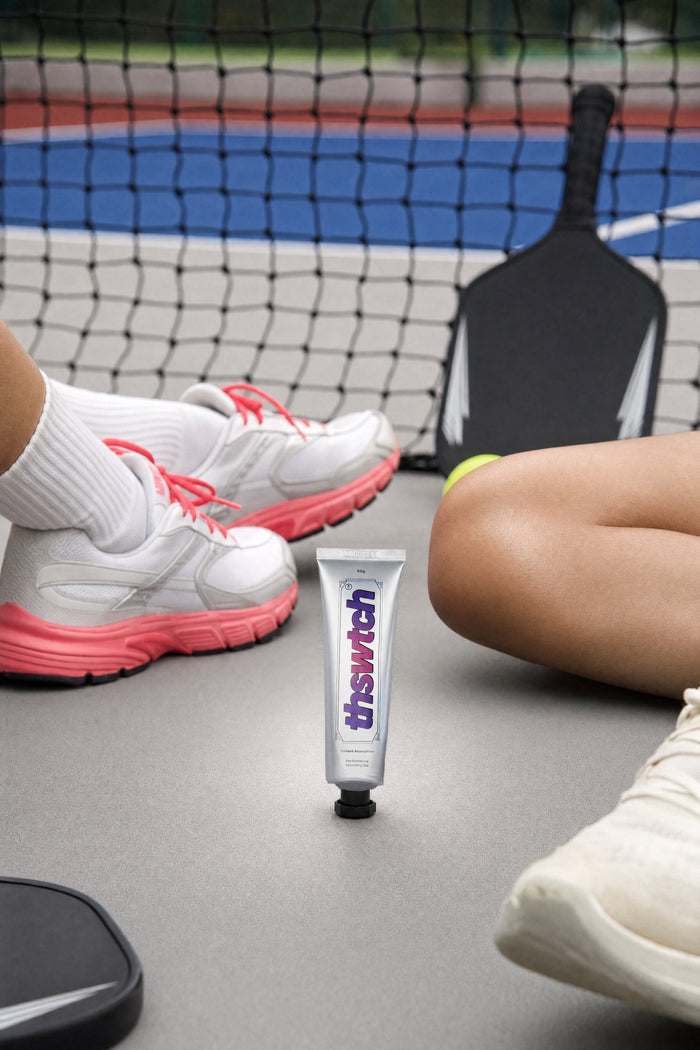
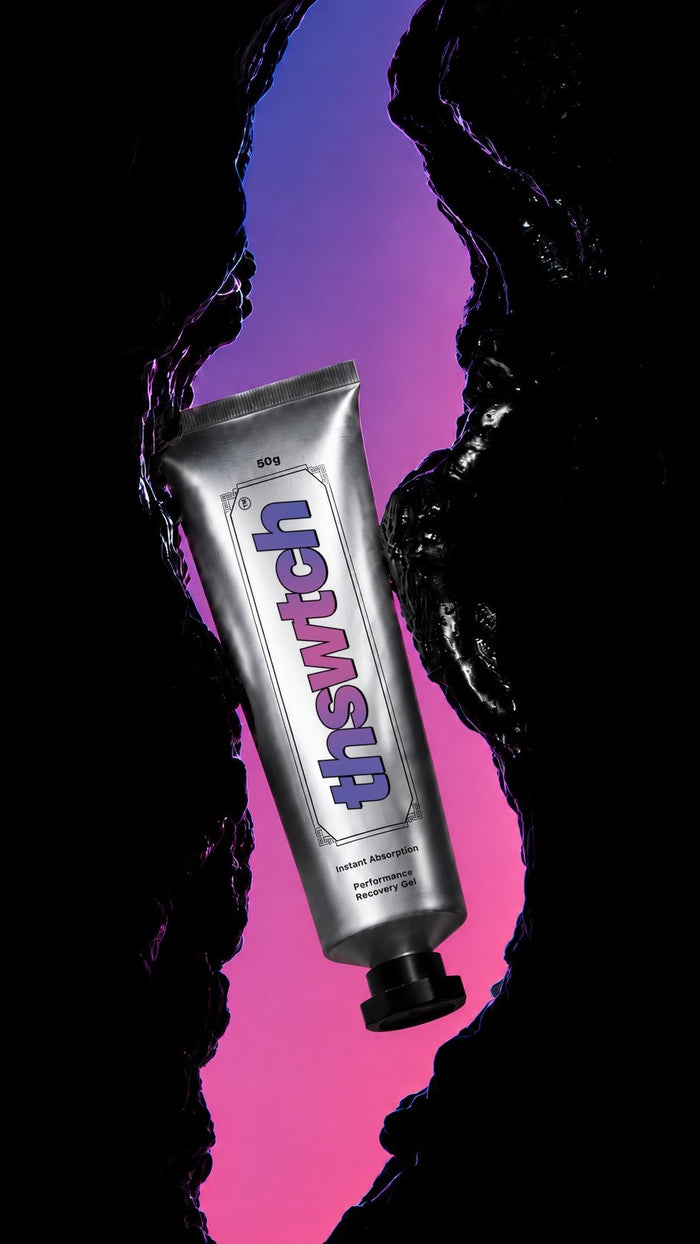
thswtch Pain Relief Gel feels cool on contact, then settles into a gentle warmth, so a thin layer on tired calves or soles is a pleasant part of the feet-up routine. It is non-greasy and absorbs in seconds, and the 50g tube fits in a clutch. It is a cooling and warming gel, not a replacement for medical care; keep it off blisters and broken skin.
Last updated 19 October 2026 · Written by Team thswtch
Sources
This guide is general information, not medical advice. If pain is sharp, severe, follows an injury, or lasts more than a week, see a doctor or physiotherapist.