Recovery for racquet sports: tennis, pickleball and badminton
Quick stops, overhead swings and long weekend sessions. Where racquet sports load your body, and a simple warm-up and recovery plan for each part of the game.

Racquet sports look light from the outside. They are not. Every rally is a series of sprints, sudden stops, lunges and twisting swings, often on hard courts and in the heat. Pickleball has exploded across Indian cities, padel courts are popping up everywhere, and badminton never left. More play means more load, and recovery is what keeps you on court.
The hard-working spots
- Calves and Achilles from constant split-steps and push-offs
- Knees from lunges and quick changes of direction
- Shoulder from serves and overheads
- Forearm, elbow and wrist from gripping and repeated impact
- Lower back from twisting and reaching low
Before you play: 8-minute warm-up
- Two minutes of easy jogging or side-shuffles
- Leg swings, forwards and sideways, 10 each
- Walking lunges with a twist, 10
- Arm circles and shoulder rotations, 20 seconds each way
- Wrist circles and forearm stretches
- A few minutes of gentle rallying before you play points
On cold mornings, a warming rub on calves, shoulders or lower back can make the first few minutes feel easier.
Between matches
At tournaments or long weekend sessions: drink at every break, add electrolytes on hot days, eat something small like a banana or a handful of nuts, and keep moving lightly rather than sitting stiff for an hour.
After you play
- Five minutes of easy movement, then stretch calves, hips, shoulders and forearms
- Rehydrate, and refuel with protein and carbs within a couple of hours
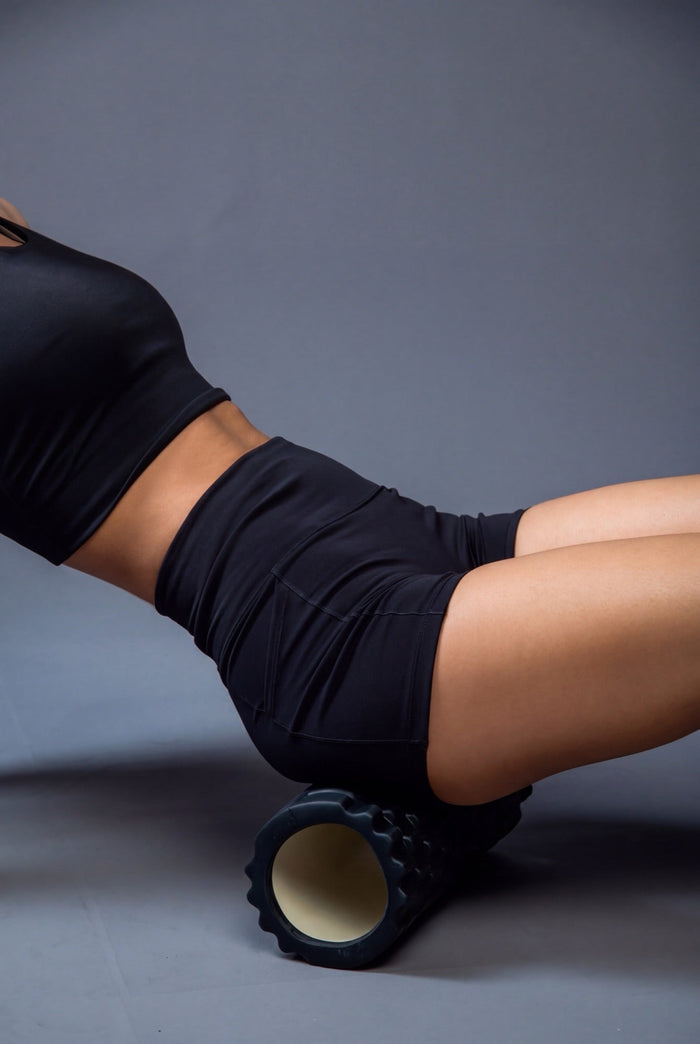
- Give your hardest-working spots two minutes: massage, a foam roller, or a cool-then-warm gel
- Sleep. Two hours of doubles on a Sunday morning is real training load.
Know your niggles
Elbow pain on the outside of the arm, a sore heel or Achilles first thing in the morning, or a shoulder that hurts when you serve tend to creep up slowly and are easier to deal with early. Ease off, check your technique and equipment (grip size, string tension, shoes), and see a physiotherapist if it lingers.
This guide is general information, not medical advice. If pain is sharp, severe, follows an injury, or lasts more than a week, see a doctor or physiotherapist.